We are honored to have received the Regiostars 2026 Award in the categorie “A Green Europe” from the European Union.
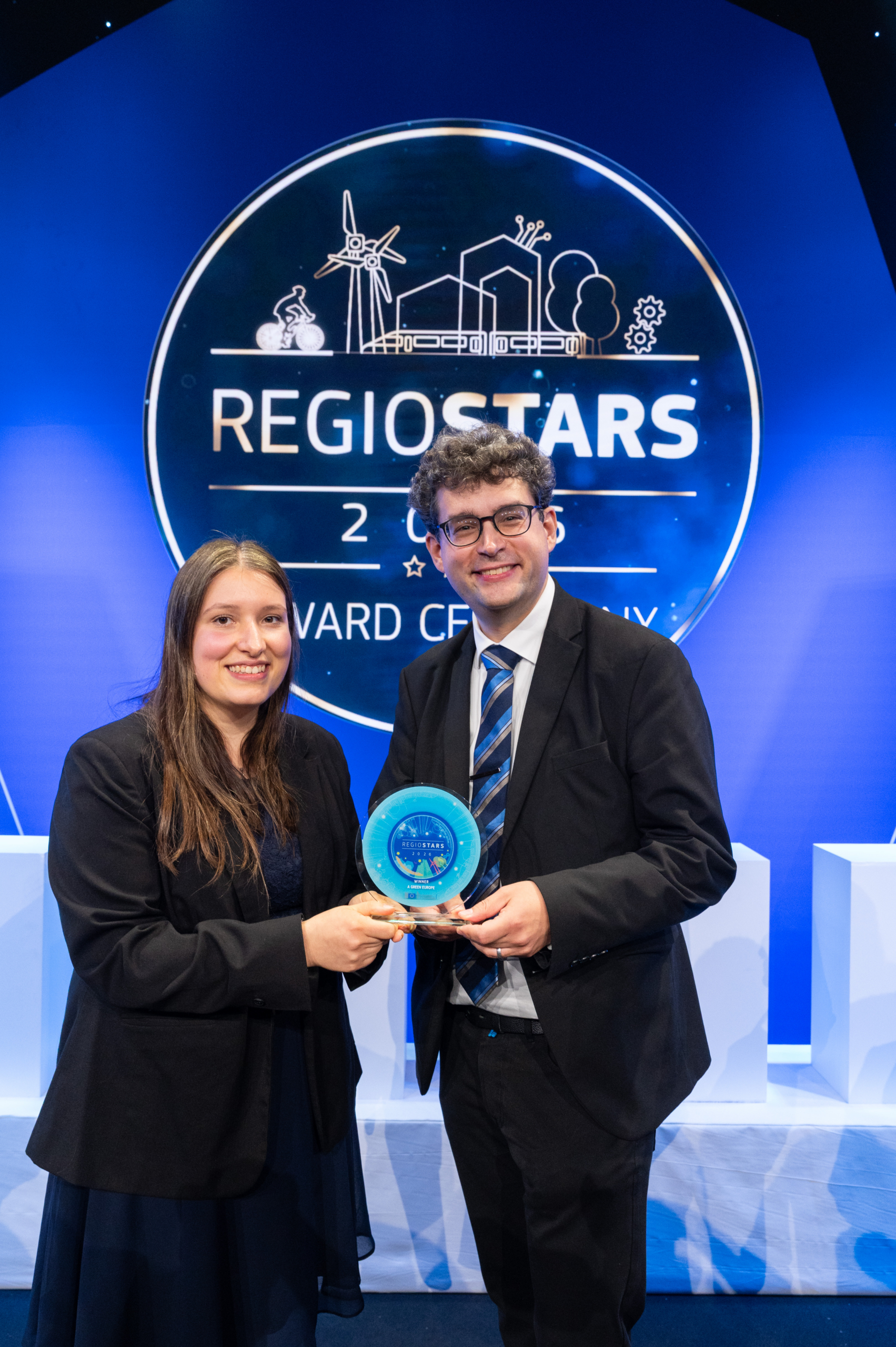
Copyright: European Union

We are honored to have received the Regiostars 2026 Award in the categorie “A Green Europe” from the European Union.
Copyright: European Union
Cansu Kök presents work at the Capacitive Deionization and Electrochemical Separation (CDI&E) in Seoul (Republic of Korea). She gives an oral presentation with the title: “Interalkyl-MXene electrodes for selective and stable Lithium-ion extraction from aqueous solutions”. Congratulations on winning the best oral presentation award, too! 🥳
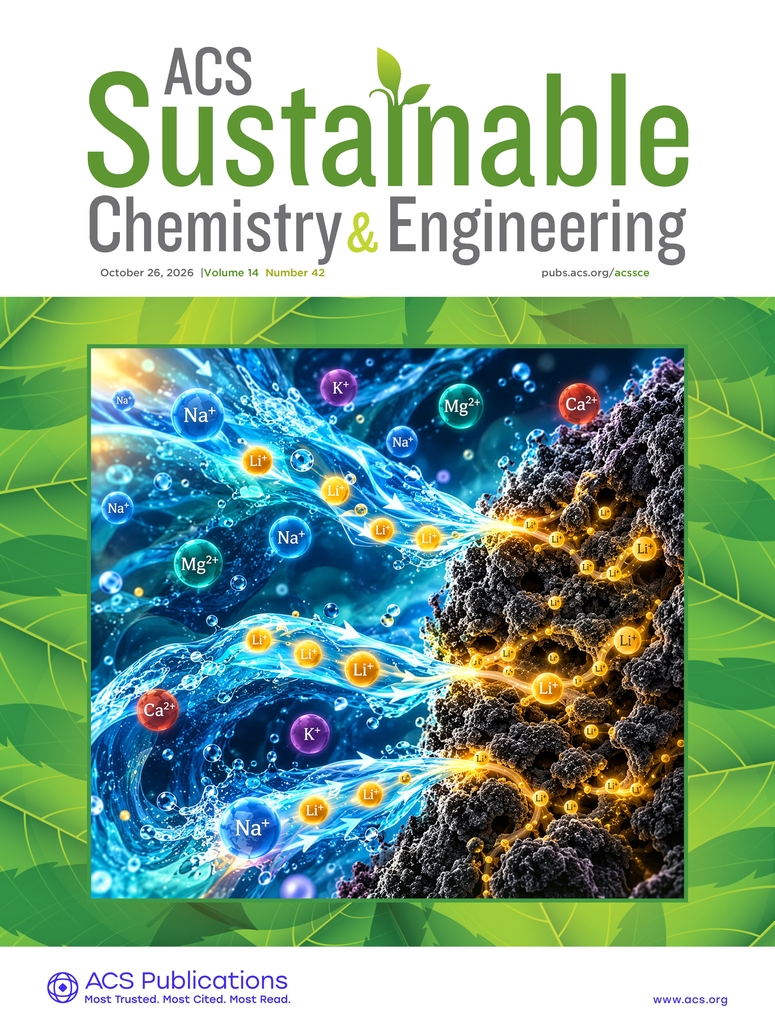
Joint work on “Selective Electrochemical Lithium-Ion Extraction from Low-Grade Lithium Sources with Optimized Pulsed Operation” published in ACS Sustainable Chemistry & Engineering. We combined carbon-coated lithium iron phosphate electrodes with tailored electrical pulses and rest intervals to improve lithium selectivity and cycling stability in sodium-rich solutions containing very little lithium. Tests in simulated salt lake brines and seawater, including a scaled-up prototype, demonstrated the potential of this approach for lithium recovery from dilute resources. 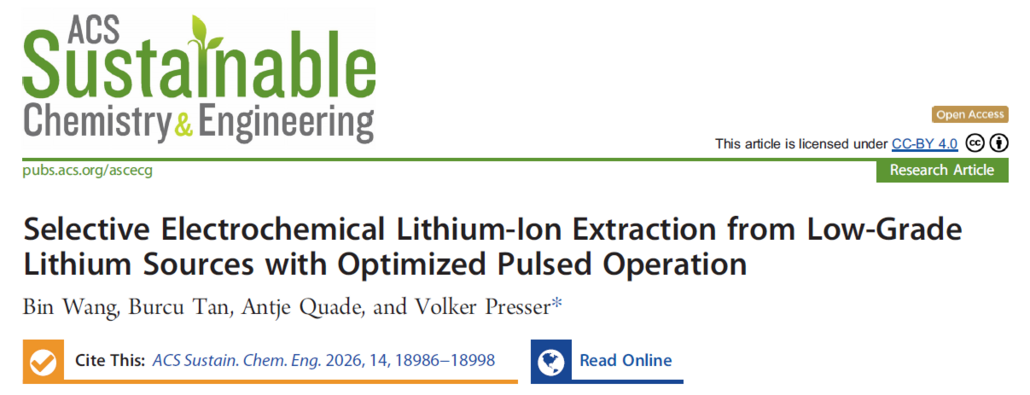
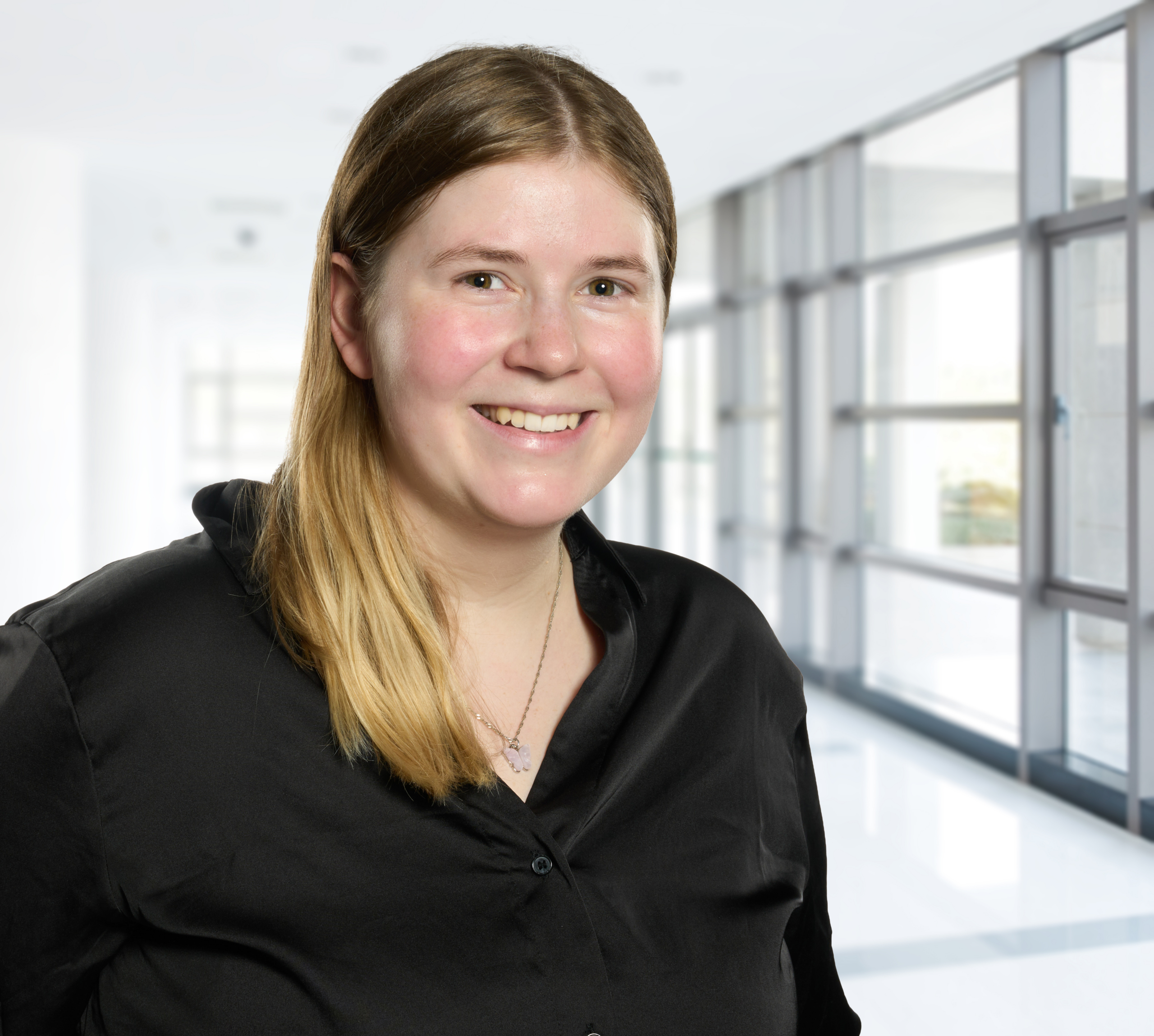
Welcome new student intern Tamara Urig who will be working on next-generation battery technology.
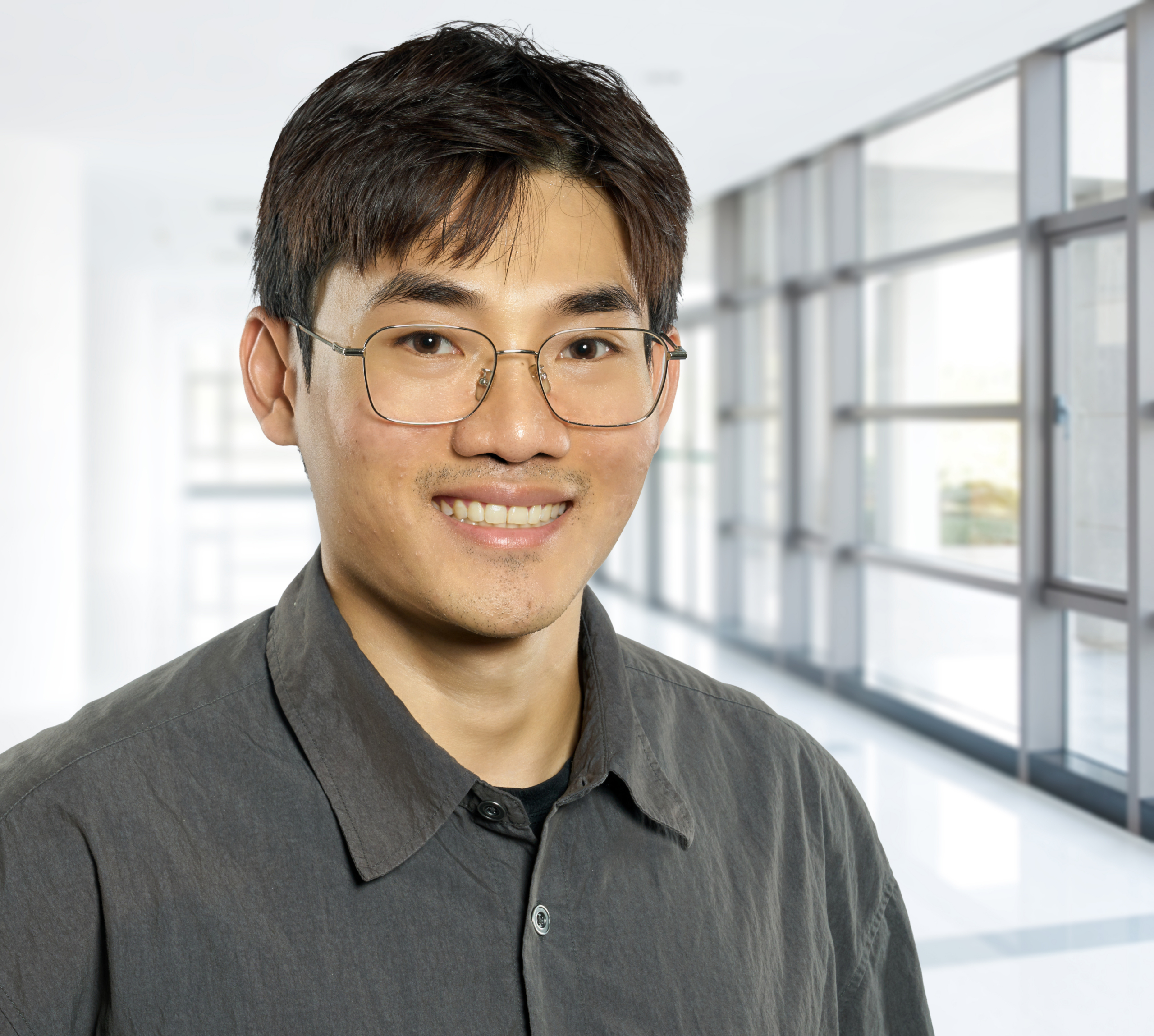
Welcome Humboldt Fellow Dr. Tan Binh Nguyen, who will be working on next-generation sodium-ion batteries.
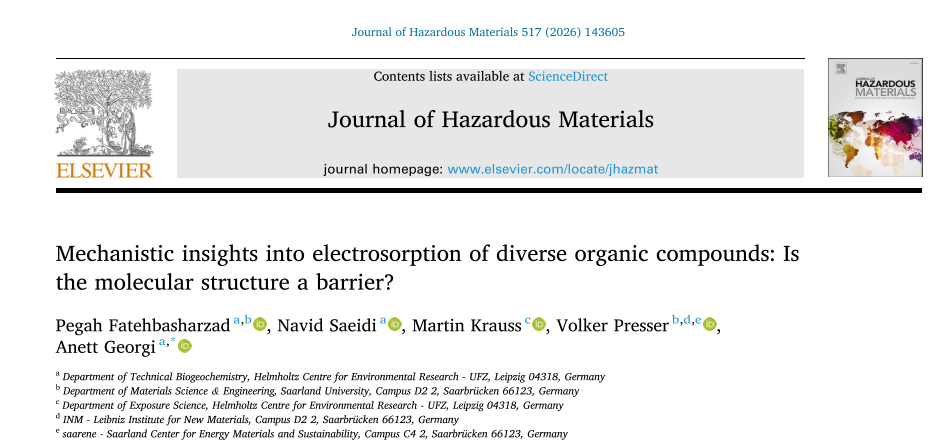
New paper published in Journal of Hazardous Materials. This UFZ-led work explores how effectively electrically charged activated carbon removes organic pollutants from water depends strongly on their molecular structure. Studying 21 compounds in tap water, we found that the adsorption of many nonaromatic compounds can be controlled by the applied voltage. Aromatic compounds behave differently: some remain bound to the carbon even after the voltage is reversed, making electrical regeneration more difficult.
Welcome new student intern Hunter Alexander Elwell, who will be working on ion-selective technologies and materials.